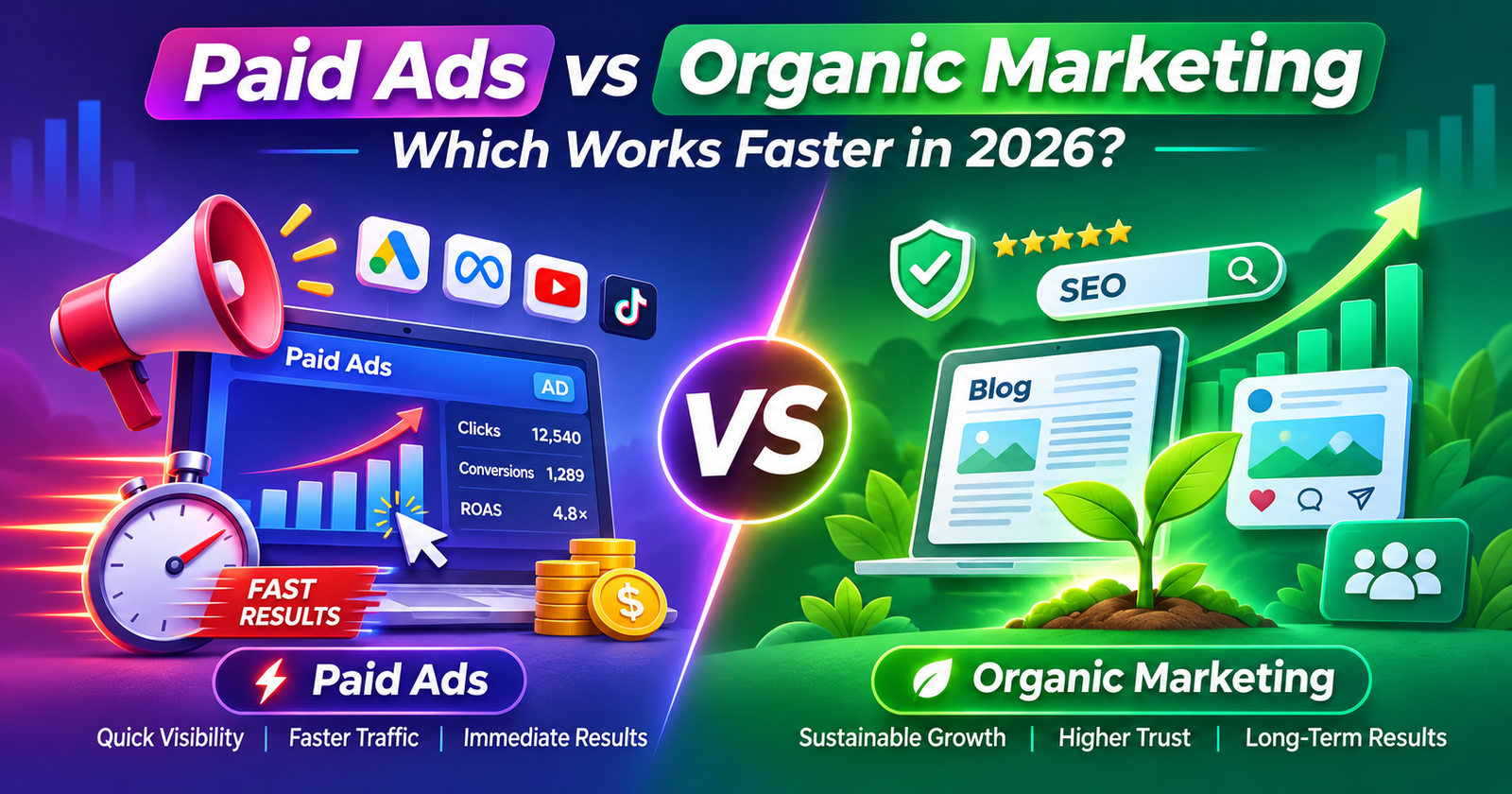
Paid Ads vs Organic Marketing: Which Works Faster in 2026?
Introduction: Paid Ads or Organic Marketing — Where Should You Start?
Imagine you have started a small online clothing business. You have created a Facebook page, uploaded product pictures, and started posting regularly.
But after two weeks, you notice something disappointing.
Your posts are getting very few views, and customers are not sending messages. You are putting in effort, but your business is not growing.
Now you start wondering: Should I spend money on Facebook Ads, or should I continue posting organic content?
This is one of the most common questions beginners and business owners face.
Some people believe that paid advertising is the fastest way to get customers. Others believe organic marketing is better because it does not require advertising money.
Both methods can work, but they serve different purposes.
Paid Ads vs Organic Marketing is not simply a question of which is better. The real question is which strategy fits your goals, budget, and timeline.
In this complete guide, you will learn how both methods work, their advantages and disadvantages, career opportunities, common mistakes, and how to build a successful marketing strategy in 2026.
You will also discover why learning paid advertising can become a valuable digital skill for students, freelancers, job seekers, and business owners.
Table of Contents
- What Is Paid Advertising?
- What Is Organic Marketing?
- Paid Ads vs Organic Marketing: Key Differences
- Which Marketing Method Works Faster?
- Why Learn Digital Marketing in 2026?
- Career Opportunities and Income Potential
- Essential Skills You Need to Learn
- Practical Examples and Real-World Use Cases
- Common Mistakes Beginners Make
- Step-by-Step Learning Roadmap
- Success Tips for Faster Growth
- Frequently Asked Questions
- Conclusion
- Learn Paid Ads with NayaSekho
What Is Paid Advertising?
Paid advertising is a digital marketing method where businesses pay platforms to show advertisements to potential customers.
Instead of waiting for people to discover your business naturally, you can use advertising platforms to reach a selected audience.
Popular paid advertising platforms include:
- Meta Ads: Advertise on Facebook and Instagram.
- Google Ads: Reach people searching for products or services.
- TikTok Ads: Promote products through short-form videos.
- YouTube Ads: Reach viewers through video advertising.
- LinkedIn Ads: Target professionals and business decision-makers.
How Does Paid Advertising Work?
Suppose you own an online shoe store in Pakistan.
You want to sell sports shoes to people between 18 and 35 years old.
Using Meta Ads, you can create an advertising campaign, select your location, set a budget, upload attractive product pictures, and promote your shoes to potential customers.
For example:
- Advertising budget: Rs. 1,000 per day
- Campaign duration: 5 days
- Total planned spending: Rs. 5,000
- Campaign objective: Generate sales or customer inquiries
Your ads can begin reaching people once they are approved and the campaign is eligible to deliver.
However, spending Rs. 5,000 does not guarantee sales. Your results depend on the product, targeting, advertising creative, competition, and customer experience.
Benefits of Paid Advertising
- Reach potential customers quickly.
- Choose relevant audiences and locations.
- Control your advertising budget.
- Measure clicks, leads, and purchases.
- Test multiple advertisements.
- Scale campaigns that perform profitably.
The biggest advantage of paid advertising is speed of exposure. You do not need to build thousands of followers before reaching potential customers.
What Is Organic Marketing?
Organic marketing means attracting customers without paying for advertisement placements.
Instead of buying traffic, you create valuable content that encourages people to discover, follow, and trust your business.
Common organic marketing methods include:
- Search Engine Optimization (SEO)
- Facebook and Instagram posts
- YouTube videos
- TikTok videos
- Educational blog posts
- Helpful social media content
- Community engagement
- Content shared through recommendations
How Does Organic Marketing Work?
Imagine you run a skincare business.
You start publishing helpful Instagram Reels about skincare problems, product ingredients, and simple daily routines.
People discover your videos, follow your account, and slowly begin trusting your brand.
Some followers may eventually purchase your products.
You did not pay for advertising placements, but you invested time, creativity, and effort.
Benefits of Organic Marketing
- No direct advertising spend is required.
- Helps build long-term customer relationships.
- Builds brand trust and authority.
- Can attract visitors over time.
- Supports customer education.
- Creates reusable content assets.
Organic marketing is valuable for businesses that want long-term growth without depending completely on paid advertising.
However, organic marketing is not entirely free. Content creation, editing, SEO, and management still require time and resources.
Paid Ads vs Organic Marketing: Key Differences
Before choosing a strategy, understand how these methods compare.
| Feature | Paid Advertising | Organic Marketing |
|---|---|---|
| Initial reach | Often faster | Usually gradual |
| Advertising cost | Requires ad budget | No paid placement required |
| Audience targeting | Advanced targeting options | Depends on content and discovery |
| Traffic | Can begin after ad approval | Builds through content and visibility |
| Long-term value | Requires ongoing investment | Content can keep attracting visitors |
| Control | More control over campaigns | Depends more on platforms and audiences |
| Testing | Faster testing opportunities | Often slower to gather data |
| Best for | Promotions, leads, testing, sales | Trust, authority, community |
| Main challenge | Managing advertising costs | Consistency and patience |
The key difference: Paid advertising helps businesses buy targeted visibility, while organic marketing helps them earn attention through useful content.
Both approaches can generate leads and sales, but neither guarantees success.
Which Works Faster: Paid Ads or Organic Marketing?
If your main goal is to reach potential customers quickly, paid ads usually work faster than organic marketing.
But reaching people quickly is not the same as generating profitable sales.
1. Paid Ads Can Generate Visibility Quickly
Once a campaign is approved, active, and properly configured, it can start receiving impressions and clicks.
According to Google Ads Help, most advertisements are reviewed within one business day, although some take longer.
This makes paid advertising useful for businesses that want to:
- Launch a new product.
- Promote a limited-time offer.
- Generate customer inquiries.
- Test demand for a new service.
- Reach potential customers in a specific area.
Still, campaigns often require testing and adjustments before they produce consistent results.
2. Organic Marketing Usually Takes Longer
Organic marketing requires consistent effort.
A new website may need months to build useful search visibility. Social media content can sometimes reach thousands of people quickly, but such results are unpredictable.
Google’s Search Central documentation explains that some SEO improvements may affect search visibility within days, while others can take several months.
Organic marketing often works best when businesses focus on helpful content, consistency, and audience trust.
3. Which Method Produces Better Long-Term Results?
Organic marketing can produce lasting value.
For example, a well-written blog post might continue attracting visitors long after it was published.
Paid advertisements typically stop delivering paid traffic when the campaign is paused or the budget runs out.
However, paid ads are useful for reaching new audiences, testing offers, and generating immediate market feedback.
Final Comparison
- For faster visibility: Paid Ads usually win.
- For long-term content value: Organic Marketing has an advantage.
- For testing products quickly: Paid Ads are often more practical.
- For building audience trust: Organic Marketing is especially useful.
- For sustainable business growth: Combining both is often the strongest strategy.
Why Learn Paid Ads and Organic Marketing in 2026?
Digital marketing is becoming an essential business skill.
Today, businesses need more than a Facebook page or an attractive website. They need strategies that help them reach customers, generate sales, and measure results.
1. Digital Advertising Is a Major Industry
According to the IAB/PwC Internet Advertising Revenue Report released in April 2026, US internet advertising revenue reached approximately $294.6 billion in 2025, an increase of 13.9% from the previous year.
This shows how much businesses invest in reaching customers online.
2. Billions of People Use Social Media
DataReportal’s Digital 2026 Mid-Year Global Update reported approximately 5.79 billion active social media user identities worldwide.
These identities do not necessarily represent unique individuals, but the figure demonstrates the enormous scale of social media activity.
For marketers, this means businesses have significant opportunities to reach and engage audiences digitally.
3. Businesses Need Marketing Skills
Small businesses, eCommerce brands, service providers, and online educators use digital marketing to promote their products.
Many of these businesses need skilled people who can:
- Create advertising campaigns.
- Manage Meta Ads.
- Develop content strategies.
- Track leads and sales.
- Improve advertising results.
- Understand customer behavior.
4. AI Is Changing Digital Marketing
AI tools can help marketers generate ideas, create advertising variations, research audiences, and analyze data.
However, AI does not replace the need for marketing knowledge.
A successful marketer must still understand customer problems, advertising objectives, budgets, and business profitability.
Learning these skills in 2026 can help beginners prepare for a changing digital job market.
Career Opportunities and Income Potential
Learning paid ads and organic marketing can open several career paths.
1. Meta Ads Specialist
A Meta Ads specialist creates and manages advertising campaigns on Facebook and Instagram.
Businesses may hire specialists to generate leads, promote products, or improve advertising performance.
2. Paid Advertising Freelancer
Freelancers can offer advertising services through Upwork, Fiverr, LinkedIn, or direct client outreach.
Services may include:
- Campaign setup
- Audience research
- Advertising creative strategy
- Pixel and event tracking
- Campaign optimization
- Performance reporting
3. Digital Marketing Executive
Companies hire digital marketing professionals to manage online promotional activities.
This role may include paid campaigns, content planning, analytics, and coordination with creative teams.
4. Social Media Marketing Manager
Social media managers help businesses develop content plans, engage followers, and build online communities.
Some roles also require paid advertising knowledge.
5. Start a Digital Marketing Agency
After gaining experience, marketers can offer services to multiple businesses.
For example, an agency may manage Meta Ads for clothing brands, local restaurants, educational institutes, and eCommerce stores.
How Much Can You Earn?
Income varies depending on your skills, portfolio, client results, location, and experience.
Common payment models include:
- One-time campaign setup fees
- Monthly advertising management retainers
- Project-based marketing services
- Salaried marketing positions
- Consulting or training services
Important: Learning a marketing skill creates opportunities, but employment and freelance earnings are not guaranteed. A practical portfolio and proven results are usually more valuable than certificates alone.
Essential Skills You Need to Learn
To become a successful digital marketer, focus on both technical skills and marketing strategy.
Paid Advertising Skills
- Understanding Meta Ads Manager
- Creating advertising campaigns
- Choosing campaign objectives
- Audience research and targeting
- Creating effective advertising copy
- Designing image and video ads
- Budget planning
- Conversion tracking
- Campaign optimization
- Advertising performance analysis
Organic Marketing Skills
- Content planning
- Keyword research
- Search engine optimization
- Social media management
- Audience engagement
- Educational content creation
- Basic video marketing
- Content performance analysis
Important Marketing Metrics
Understanding marketing numbers helps you make better decisions.
| Metric | Meaning |
|---|---|
| CPC | Cost per click |
| CPM | Cost per 1,000 impressions |
| CTR | Click-through rate |
| CPA | Cost per action or acquisition |
| ROAS | Return on advertising spend |
| Conversion Rate | Percentage of visitors completing an action |
For example, if you spend Rs. 10,000 on advertising and generate Rs. 30,000 in attributed sales revenue, your ROAS is 3x.
This does not automatically mean you made a profit.
You must also consider product costs, shipping, advertising fees, refunds, and other business expenses.
Practical Examples: Paid Ads vs Organic Marketing
Example 1: Online Clothing Store
A clothing brand wants to launch a new summer collection.
Organic Strategy: Publish Instagram Reels, product pictures, styling tips, and customer reviews.
Paid Strategy: Run Meta Ads promoting the collection to potential buyers.
Best Approach: Use organic content to build trust and paid advertising to reach additional customers.
Example 2: Local Training Institute
A training institute wants to enroll students in a digital skills course.
Organic Strategy: Publish educational videos, free tutorials, student learning content, and course explanations.
Paid Strategy: Run lead generation campaigns to reach interested students.
Best Approach: Use educational content to create awareness, then advertise courses to relevant audiences.
Example 3: Freelancer Offering Website Services
A freelancer wants to attract clients for website development.
Organic Strategy: Share completed projects, tutorials, and useful tips on LinkedIn and social media.
Paid Strategy: Test advertisements promoting their services to a relevant audience.
Best Approach: Start with a strong portfolio and clear offer, then use paid campaigns when there is enough budget to test client acquisition.
Common Mistakes Beginners Make
Many beginners struggle with digital marketing because they focus on tools instead of strategy.
1. Running Ads Without Audience Research
Showing advertisements to the wrong audience wastes money.
Before launching a campaign, understand who your ideal customers are and what problems they want solved.
2. Expecting Sales Immediately
Paid advertisements can generate traffic quickly, but profitable sales may take time.
Beginners should test campaigns, improve their offers, and study customer behavior.
3. Ignoring Organic Content
Some businesses depend completely on advertising.
This can become expensive because paid visibility generally requires continuous investment.
Helpful organic content can build credibility and support advertising campaigns.
4. Creating Weak Advertising Creatives
Even good targeting cannot always save a weak advertisement.
Your creative should communicate the customer problem, product benefit, and next action clearly.
5. Measuring Likes Instead of Business Results
Likes and views are useful engagement indicators, but they do not necessarily mean your business is profitable.
Track meaningful outcomes such as qualified leads, purchases, conversion rates, and acquisition costs.
6. Copying Competitors Without Understanding Strategy
An advertisement that works for another brand may not work for yours.
Different businesses have different customers, products, pricing, and competition.
Step-by-Step Learning Roadmap for Beginners
If you are starting from zero, use this practical roadmap to build your digital marketing skills.
Step 1: Learn Marketing Fundamentals
Start by understanding:
- Target audience
- Customer needs
- Marketing funnels
- Offers
- Brand positioning
- Customer journey
These concepts are useful for both paid and organic marketing.
Step 2: Understand Organic Marketing
Learn how businesses attract customers through useful content.
Create simple social media posts, educational videos, and helpful product content.
Study which content receives attention and why.
Step 3: Learn Meta Ads Manager
Explore Facebook and Instagram advertising tools.
Understand campaign objectives, advertising accounts, audience settings, placements, and budgets.
You can practice campaign planning before spending real money.
Step 4: Create Advertising Campaigns
Build a practice campaign for a sample business.
For example, imagine you are promoting a clothing store.
Prepare:
- Campaign objective
- Target audience
- Advertising message
- Creative design
- Budget plan
- Landing page
If you have permission and a suitable budget, test the campaign using a real business.
Step 5: Learn Tracking and Analytics
Understand how to measure advertising results.
Study the Meta Pixel, conversion events, campaign reporting, and basic analytics.
Practice interpreting data rather than simply memorizing terms.
Step 6: Optimize Campaign Performance
Learn how to identify weak advertisements, improve creative messaging, evaluate audiences, and make budget decisions.
Avoid changing campaigns randomly without sufficient evidence.
Step 7: Build a Portfolio
Create two or three practical marketing projects.
Your portfolio could include:
- Advertising strategy for a clothing business
- Lead generation plan for a training institute
- Organic content calendar for a local business
- Campaign performance report using real or clearly labeled sample data
Step 8: Start Finding Clients or Applying for Jobs
Once you have developed practical skills, begin exploring freelance and job opportunities.
Start with clear services, professional communication, and realistic client expectations.
Success Tips for Faster Growth
1. Focus on One Advertising Platform First
Instead of learning every advertising platform simultaneously, start with one.
Meta Ads can be a practical starting point for beginners interested in Facebook and Instagram advertising.
Once you understand campaign fundamentals, you can expand into Google Ads or other platforms.
2. Practice More Than You Watch
Watching tutorials is useful, but practical experience helps you understand real advertising challenges.
Create mock campaigns, study results, and build projects.
3. Study Successful Advertisements
Explore Meta’s Ad Library to understand how different businesses communicate offers and product benefits.
Focus on learning creative strategy rather than copying advertisements.
4. Learn Copywriting
A strong advertisement communicates the right message.
Learn to write headlines, explain benefits, address customer concerns, and create clear calls to action.
5. Combine Organic and Paid Strategies
Use organic content to educate audiences and paid advertising to reach more potential customers.
This approach helps businesses build both immediate visibility and long-term trust.
6. Keep Learning
Advertising platforms, AI tools, privacy requirements, and customer behaviors continue to change.
Regular learning and experimentation are essential for long-term growth.
Frequently Asked Questions (FAQs)
1. Are Paid Ads Better Than Organic Marketing?
Paid ads are generally better for quick exposure, while organic marketing is useful for building long-term visibility and trust. The best strategy depends on your budget, goals, and audience. Many businesses benefit from combining both.
2. How Quickly Can Paid Ads Generate Results?
Paid campaigns can begin showing advertisements after approval, sometimes within a day. However, generating qualified leads or profitable sales may require several days or weeks of testing and optimization. There is no guaranteed timeline.
3. Can I Learn Paid Advertising Without Experience?
Yes. Beginners can start by learning marketing fundamentals, Meta Ads Manager, campaign objectives, audience targeting, creative strategy, and performance tracking. Practical assignments and real projects help develop confidence.
4. Can I Earn Money by Learning Meta Ads?
Yes, Meta Ads knowledge can support freelance services, agency work, and digital marketing jobs. Your earning opportunities depend on your skill level, portfolio, communication abilities, and capacity to deliver useful results for clients.
5. Which Is Better for Beginners in Pakistan: Paid Ads or Organic Marketing?
For beginners with no advertising budget, organic marketing is a useful starting point. However, learning paid ads can create valuable career and freelance opportunities. A beginner who understands both methods can make better marketing decisions for different businesses.
Conclusion: Which Marketing Strategy Should You Choose?
When comparing Paid Ads vs Organic Marketing, there is no single solution for every business.
Paid advertising is usually faster for reaching targeted audiences, testing offers, and generating initial traffic.
Organic marketing is valuable for building trust, creating educational content, growing communities, and developing long-term visibility.
For business owners, combining paid and organic marketing can create a more balanced growth strategy.
For students, freelancers, and job seekers, understanding these methods can open opportunities in digital marketing.
If your goal is to build a practical skill that businesses need, paid advertising is an excellent area to explore.
The important thing is not simply learning where to click inside an advertising platform. It is understanding how to create campaigns, reach the right audience, measure results, and improve marketing performance.
Learn Paid Ads with NayaSekho — Start Building Your Digital Marketing Skills
Want to learn how Facebook and Instagram advertising works instead of simply boosting posts without a clear strategy?
Join the Paid Ads training program at NayaSekho and develop practical digital marketing skills.
Whether you are a student, freelancer, job seeker, small business owner, or complete beginner, structured learning can help you understand paid advertising more confidently.
Why Choose NayaSekho?
Expert Training
Learn advertising concepts through guided instruction, from marketing fundamentals to practical campaign strategy.
Practical Learning
Focus on understanding advertising tools, campaign structure, audience research, budgeting, and performance measurement.
Real-World Projects
Build practical campaigns and portfolio projects that help you apply what you learn to realistic business situations.
Community Support
Learn alongside others, discuss challenges, exchange ideas, and improve your understanding through shared learning.
Future Earning Opportunities
Develop skills relevant to freelancing, digital marketing jobs, agency services, and promoting your own business.
Course Enrollment Details
| Detail | Information |
|---|---|
| Course Name | [Enter Official Paid Ads Course Name] |
| Institute | NayaSekho |
| New Batch Starting | [Enter Date] |
| Last Date to Enroll | [Enter Date] |
| Course Mode | [Online / Physical / Hybrid] |
| Enrollment Link | [Insert Enrollment Link] |
Your Next Step Starts Today
You do not need to become an expert before you begin.
You need the right learning roadmap, consistent practice, and the willingness to develop a valuable skill.
Instead of spending months watching random tutorials, start learning digital advertising with a structured approach.
Ready to learn Paid Ads and build your digital marketing career?
Enroll in NayaSekho Paid Ads Course — Apply Now
Learn the skills. Practice with real projects. Build your portfolio. Explore new career and online earning opportunities.

You may also like
Shopify vs Paid Ads: Which Skill is Better for Online Earning?
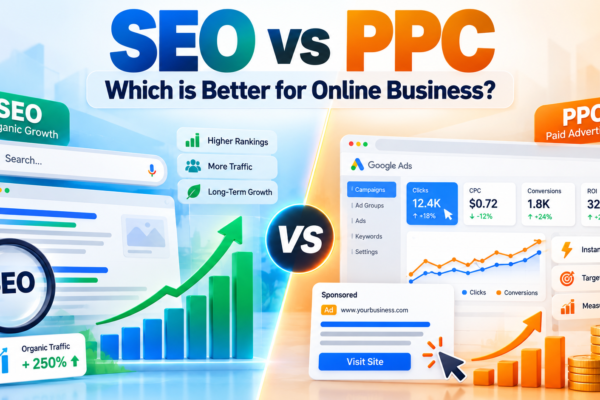
SEO vs PPC: Which is Better for Online Business?